Nobody Wants to Talk About Death. Until They Do.
Here’s something I find endlessly funny about this work:
Nobody wants to talk about death.
It’s too dark. Too depressing. Too morbid. Too uncomfortable.
Don’t bring it up at dinner. Don’t talk about it at parties. Definitely don’t mention it when everyone is having a nice time.
And yet…
Give people a room where they’re actually allowed to talk about death? They don’t want to stop!
In September, I gave five presentations on end-of-life topics. We talked about why death is taboo. How we “do death” in our culture. What it means to die well. Advance care planning. The practical stuff. The emotional stuff. The uncomfortable stuff.
And every single time:
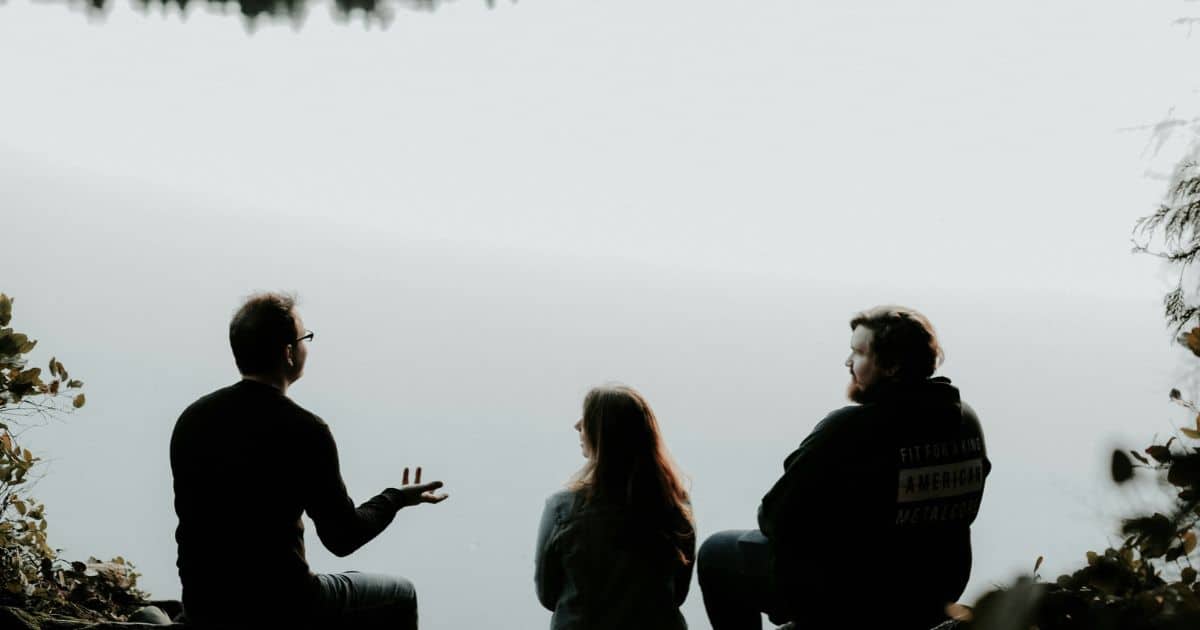
People leaned in.
They asked questions.
Then more questions.
Then someone shared a story about their mom.
Someone else talked about what happened when their cousin died.
Someone admitted they had no idea what their partner wanted at end of life.
More than one person admits to having cremated remains stored in their closet and doesn’t know what to do with them.
People want to know what’s legal, what options they have: what is required and what is optional lat the funeral home.
One person went as far as to ask “what to a person after they die, who picks up the corpse, and what happens next?” Those who’ve heard me speak may know that this was my own entry point into the world of death at 15: a curiosity about the practical logistics of caring for a dead body.
Suddenly the subject everyone supposedly wants to avoid became the conversation nobody wants to leave!
I don’t think we actually hate talking about it. I think we hate not knowing how to talk about it.
We’re rarely given the language, the permission or the space. So we avoid it until death forces the conversation, and by then, we’re often making huge decisions while scared, grieving, exhausted and overwhelmed.
Not exactly ideal conditions.
Creating an opportunity for people to ask the questions makes space: for curiosity, for learning, and for laughter!
That’s right. There is always laughter. It’s a release and it is more than welcome.
People leave these conversations telling me they feel lighter. Inspired. Empowered. They want to go home and talk to their families. They want to fill out the paperwork. They want to ask Mom what she actually wants instead of assuming they know. They want to think about what a good death might mean for themselves.
And THAT is why I keep creating spaces for this conversation.
I’m continually inspired by this funny and uplifting transition that happens every time.
So remember:
Talking about death doesn’t make it happen sooner.
Not talking about it won’t prevent it from happening. (Read that one again).
But talking about death will most certainly makes us better prepared.
It gives families language. They understand their choices. It gives us permission to think about what matters while we’re still alive, and not in crisis.
People aren’t afraid to talk about death. They are waiting for someone to say:
“It’s okay. We can talk about it here.”

Karla Kerr
Funeral Director and Death Doula
Karla is passionate about fostering end-of-life conversations through education and open dialogue. She believes in confronting difficult topics with compassion, and that by stepping into the space created by grief and loss we tap into our shared humanity.
Subscribe to The Threshold
Join our monthly Threshold newsletter to receive tips, strategies and updates on future local events and workshops.