
From Mourning Clothes to Calendar Conflicts: Have We Forgotten How to Honour the Dead?
In Victorian England, mourning was a public, visible part of life.
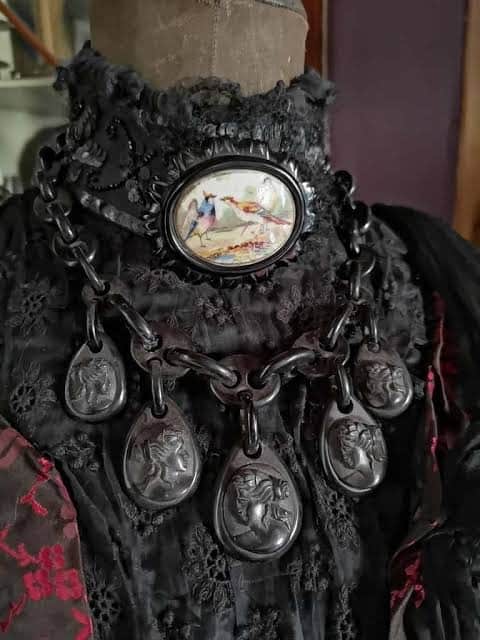
After a death, widows could spend years dressed in black. Mourning attire followed elaborate social rules, with different fabrics, colours and accessories marking different stages of grief. Jet (a gemstone created from the compressed and fossilized wood of Jurassic-era trees) jewellery became popular, black crepe was common, and eventually muted greys and purples signalled a gradual return to ordinary life.
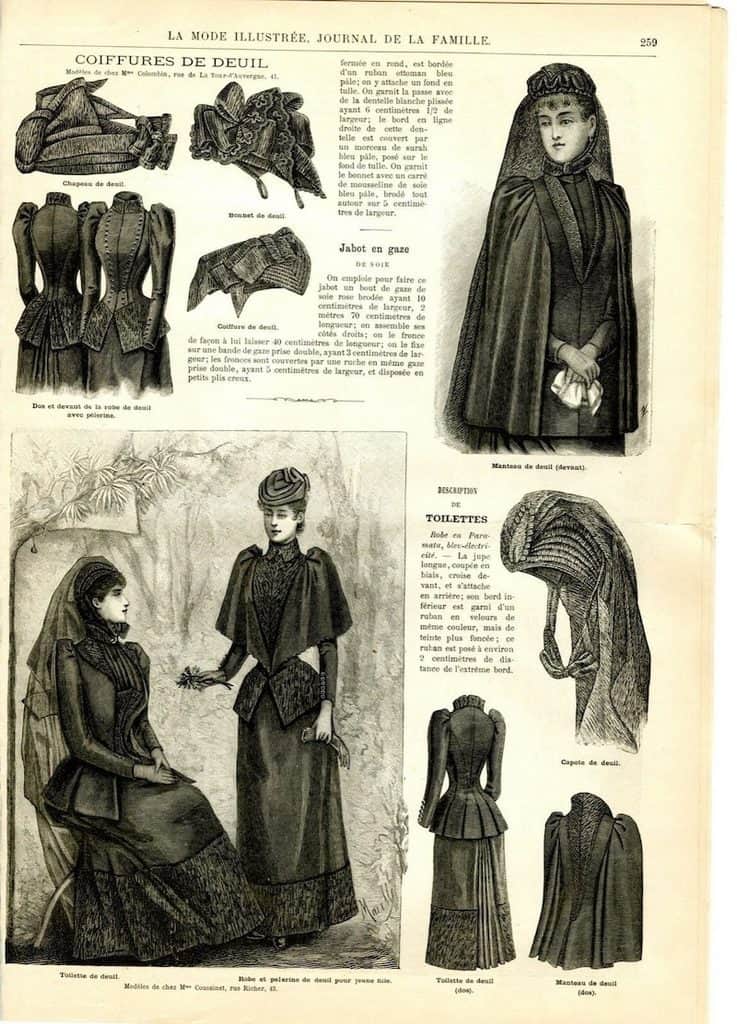
Queen Victoria famously wore mourning clothes for the rest of her life after Prince Albert died in 1861.
Imagine that! A society where grief was so openly acknowledged that your clothing told the world you’d experienced a loss.
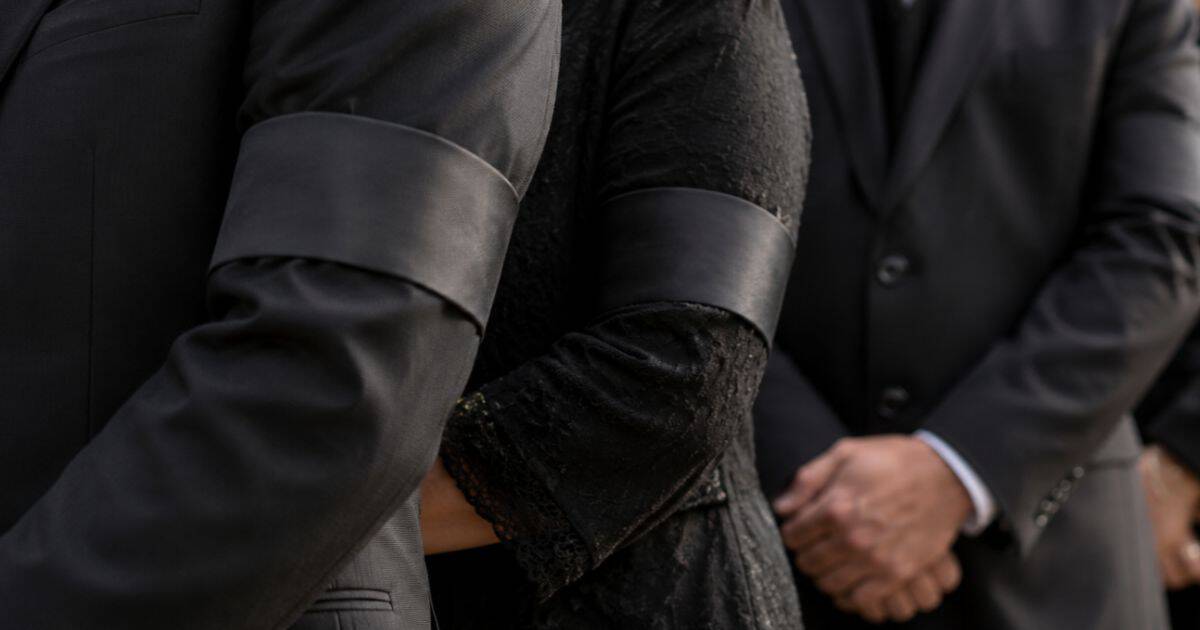
Men often wore a black armband around the upper sleeve of their jacket or coat to indicate they were in mourning. This was a practical alternative to purchasing an entirely new mourning wardrobe. And was especially useful for men who needed to continue working or wearing uniforms.
Mourning attire served an important social purpose: it told the world that someone was grieving without requiring them to explain themselves.
Of course, Victorian mourning customs weren’t all wonderful. The expectations could be rigid, expensive and particularly burdensome for women. There was enormous pressure to grieve properly, at least in public.
An end to the custom of mourning clothing
Over the twentieth century, mourning clothes gradually disappeared from everyday life. World wars, changing social expectations, less formal clothing and shifting attitudes toward death all contributed.
There was the First World War, followed by the influenza pandemic and eventually the Second World War. Death affected enormous numbers of families, and prolonged formal mourning became increasingly difficult to maintain. Wartime economies also made elaborate mourning wardrobes less practical.
A shift in our collective experience of death
As hospitals, medical care and professional funeral services expanded, more aspects of dying and death moved away from the family home. This didn’t happen overnight, and the timing varied by community. But over time, many people became less accustomed to seeing death and participating directly in caring for the dead.
Death became something handled more often by professionals. And when death becomes less visible, its accompanying social customs can become less visible too.
As social customs loosened, people gained more freedom to grieve privately and in their own ways. That’s a positive development in many respects. Nobody should have to prove their grief by wearing black. But it also meant we lost a shared, recognizable signal that someone was grieving.
Today, you might not know your coworker’s husband died last month. Your neighbour might be grieving her mother while standing beside you in the grocery store.
Grief has become largely invisible.
Making Space for Grief
While I’m certainly not suggesting we bring back mandatory black dresses and prescribed mourning periods, I do wonder whether, in freeing ourselves from those rules, we’ve lost something important.
We’ve gone from making space for grief to expecting it to fit conveniently around everything else.
I have noticed, even just within my career as a funeral director and end of life doula, how funerals used to be commonly held mid-week, mid-day. The inconvenience of taking time out of a workday was a symbolic way of demonstrating honour for the dead. A way to recognize the deceased, and their grieving family, by sacrificing our time.
Now, funerals have given way to celebrations of life, often held weeks or months after the death, and usually to accommodate schedules on weekends or holidays.
I totally get it! Life is busy. Not everyone can take time off work, travel, arrange childcare or manage the expense of attending. But I wonder when showing up to honour someone’s life became something we weigh against everything else on our to-do list.
My feeling is that a funeral isn’t just an event. It’s an act of community. Sometimes we attend because we loved the person who died. Sometimes we attend because we love the person who’s grieving.
It’s a way of saying, This life mattered. We acknowledge the hole they leave. And the people left behind shouldn’t have to carry this alone.
We don’t need Victorian mourning clothes to acknowledge death. We don’t need rigid rules telling us how long to grieve or what colour to wear. But perhaps we could reclaim the idea that death deserves our attention.
That grief shouldn’t have to remain invisible to be socially acceptable.
That taking a few hours out of our lives to honour someone else’s isn’t wasted time.
We’ve come a long way from Victorian mourning customs. But have we become so good at getting on with life that we’ve forgotten how to stop and honour a death?
If you’re planning a farewell and want it to feel meaningful, I can help.

Karla Kerr
Funeral Director and Death Doula
Karla is passionate about fostering end-of-life conversations through education and open dialogue. She believes in confronting difficult topics with compassion, and that by stepping into the space created by grief and loss we tap into our shared humanity.
Subscribe to The Threshold
Join our monthly Threshold newsletter to receive tips, strategies and updates on future local events and workshops.