
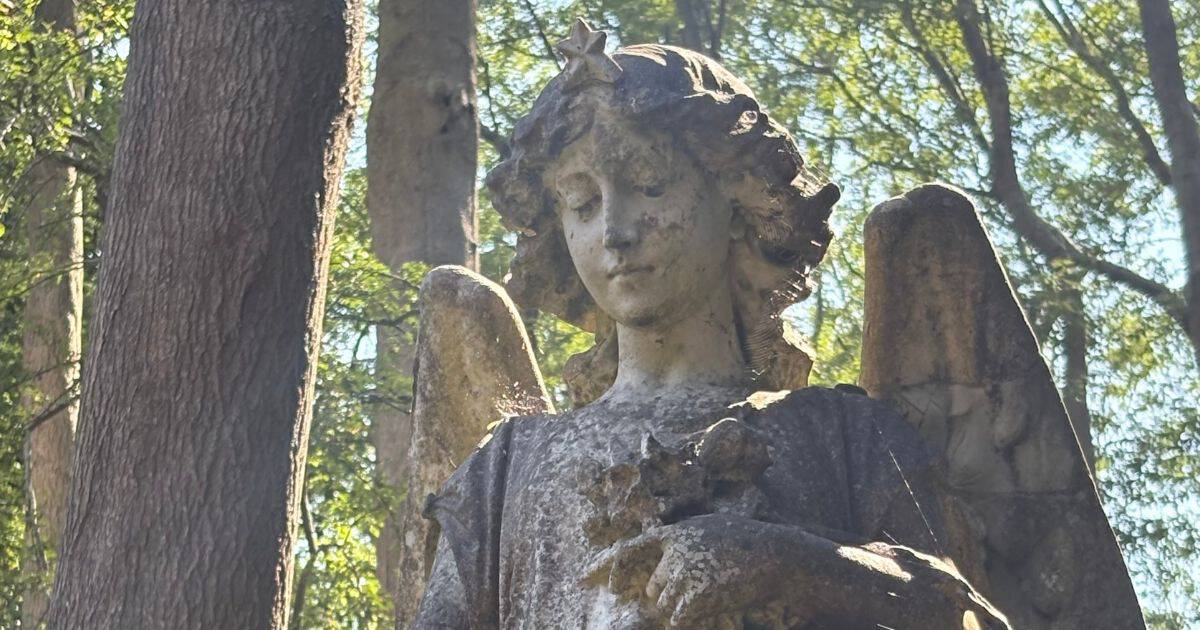
The Comfort of Cemeteries and the Truth About Nostalgia
The Victorian Era: London’s Highgate Cemetery
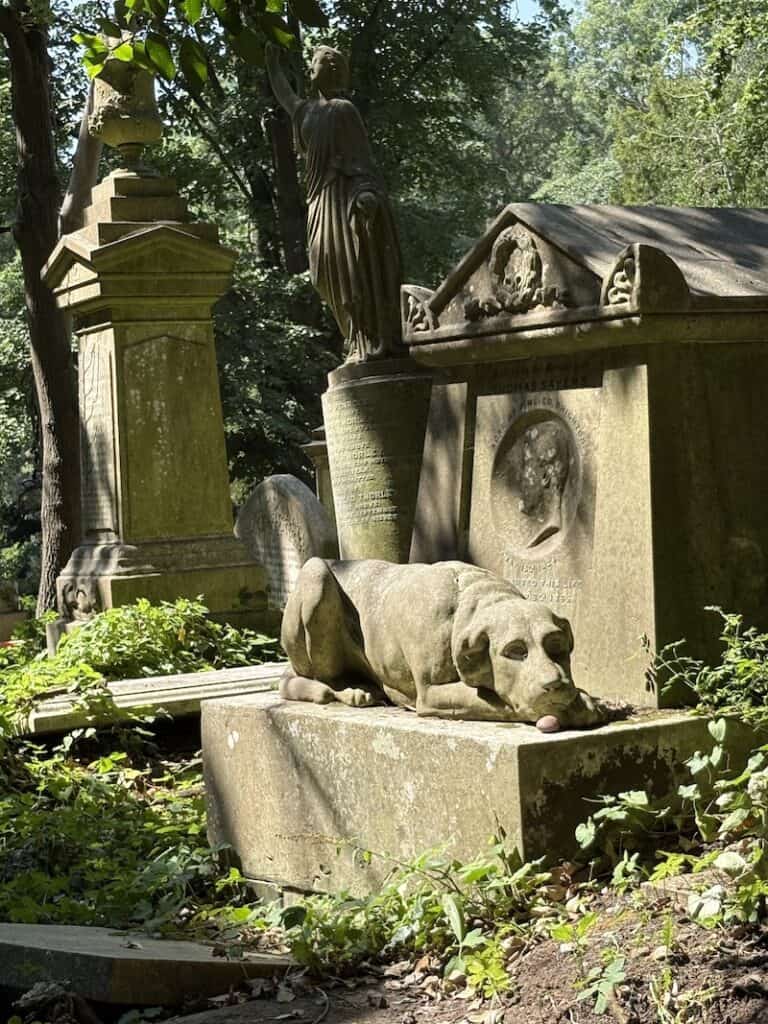
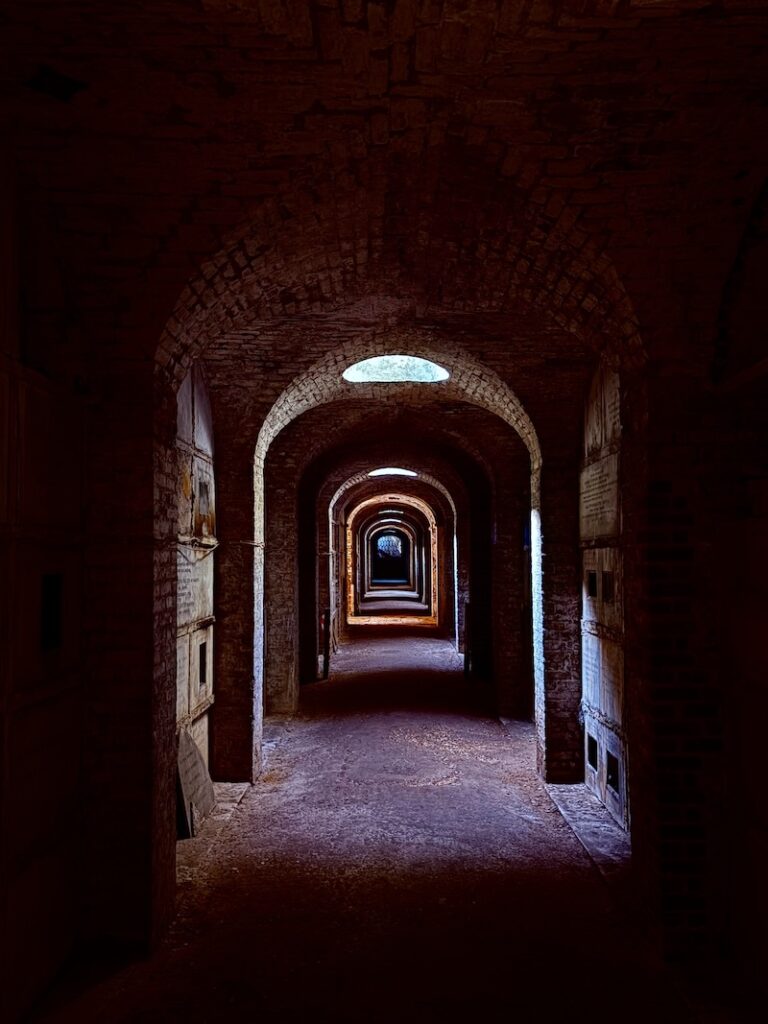
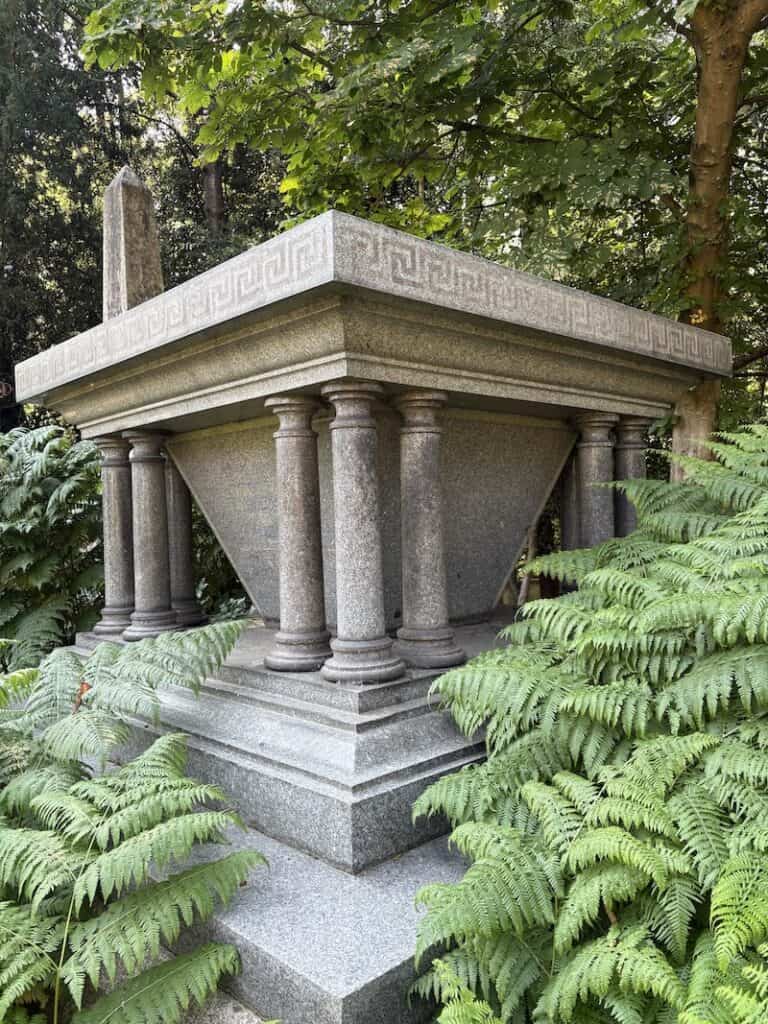
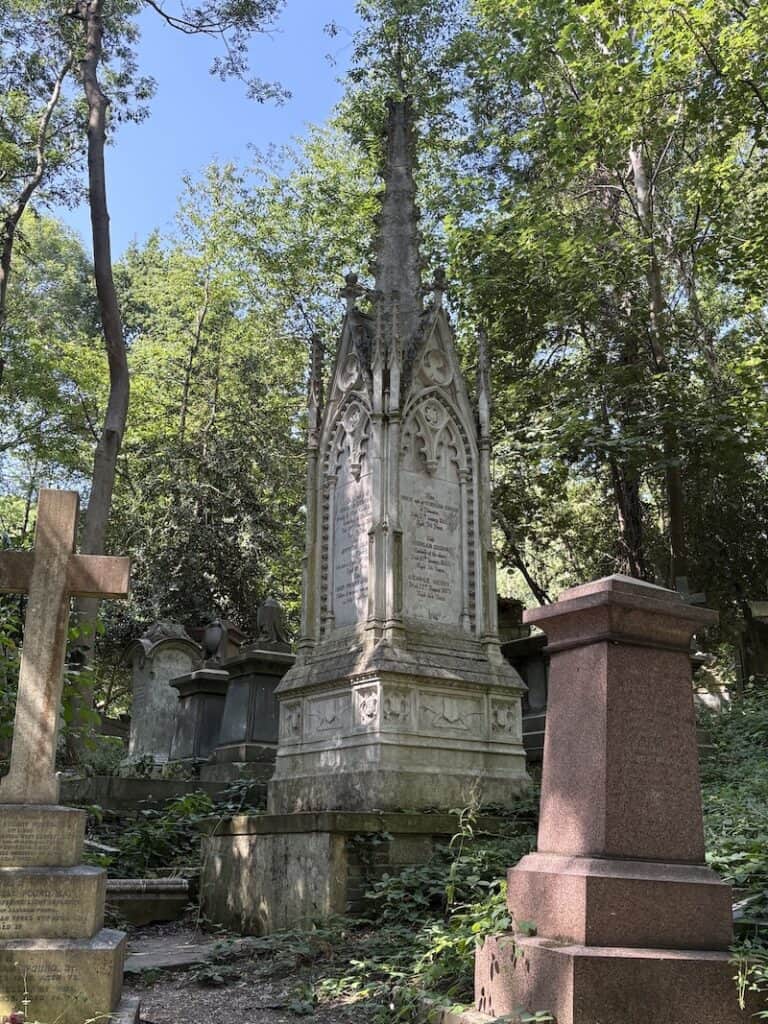
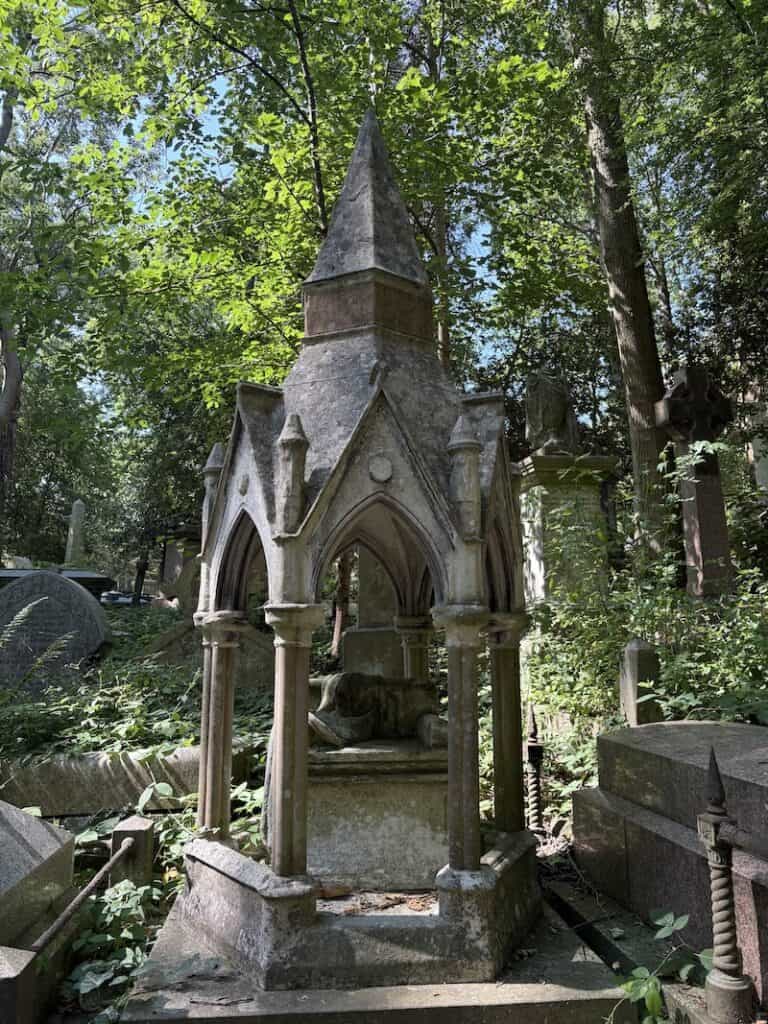
This summer I travelled to the UK with my family. In London, I visited Highgate Cemetery, one of London’s “Magnificent Seven” cemeteries, created in the 1800s to address the growing demand for burial space as the city’s population rapidly expanded during the Industrial Revolution. It was certainly magnificent.
The Victorian era held a deep reverence for death and remembrance. Think elaborate mourning attire, prescribed periods of mourning, post-mortem photography, grand monuments, and beautifully crafted headstones. Cemeteries weren’t hidden away on the outskirts of society; they were places to stroll, reflect, grieve and remember. They were as much public gardens as they were places of burial, designed to honour the dead while offering comfort and beauty to the living.
Glencoe: A Land that Remembers
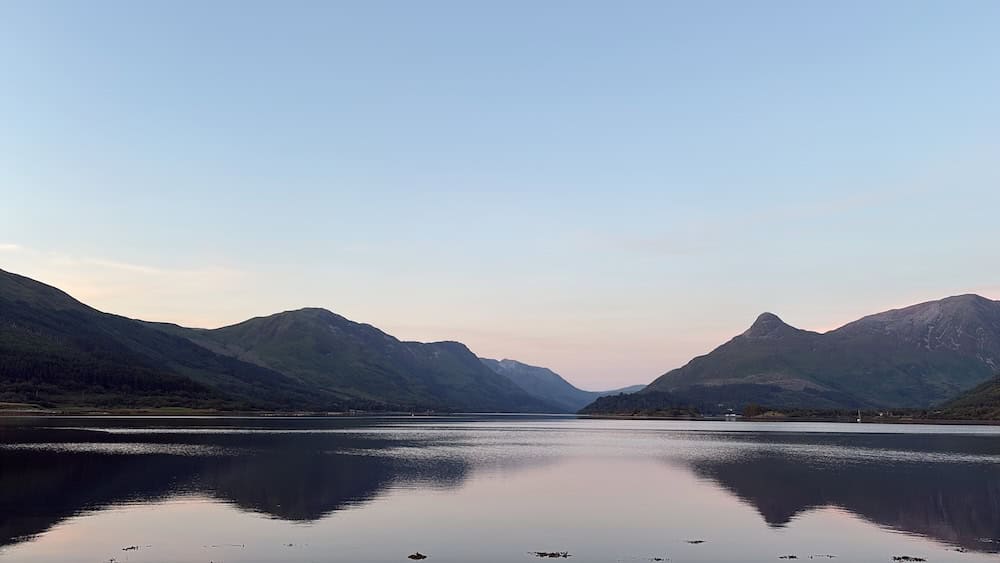
Scotland was awe-inspiring. We stayed in Glencoe, a place of breathtaking beauty where towering mountains rise dramatically from the valley floor. Yet beneath its beauty lies a story of tragedy. In 1692, members of Clan MacDonald were brutally murdered in what became known as the Glencoe Massacre, after offering hospitality to the very soldiers who turned on them.
Locals told us that the energy of the massacre can still be felt in the landscape. The glen carries a profound stillness, as though the land itself remembers. It reminded me that places hold stories. Perhaps that’s why I found Scotland so moving. It wasn’t simply the dramatic scenery; it was the sense that the past hadn’t been erased. It had been acknowledged, remembered and woven into the identity of the place itself.
Edinburgh: A Forgotten Cemetery
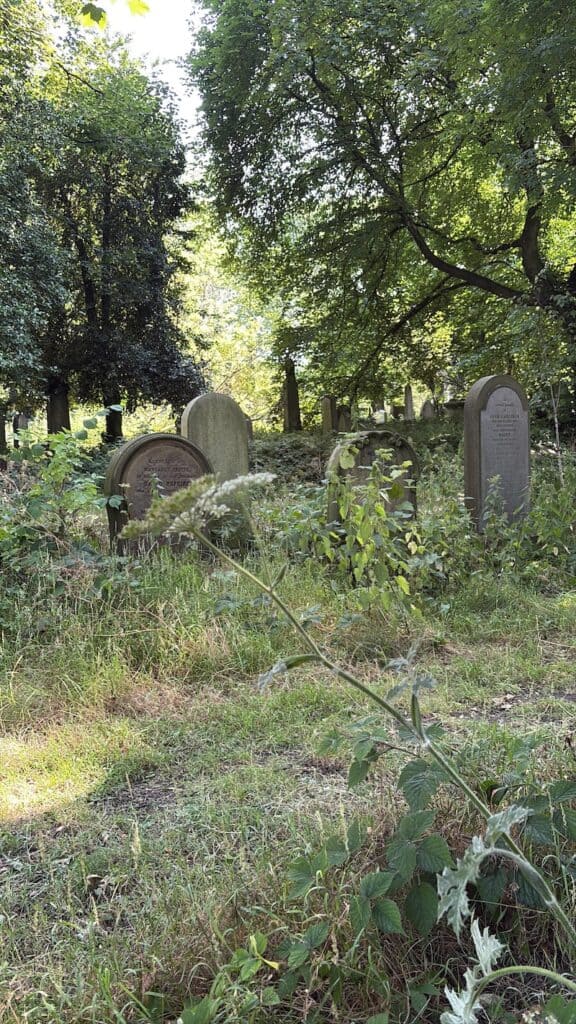
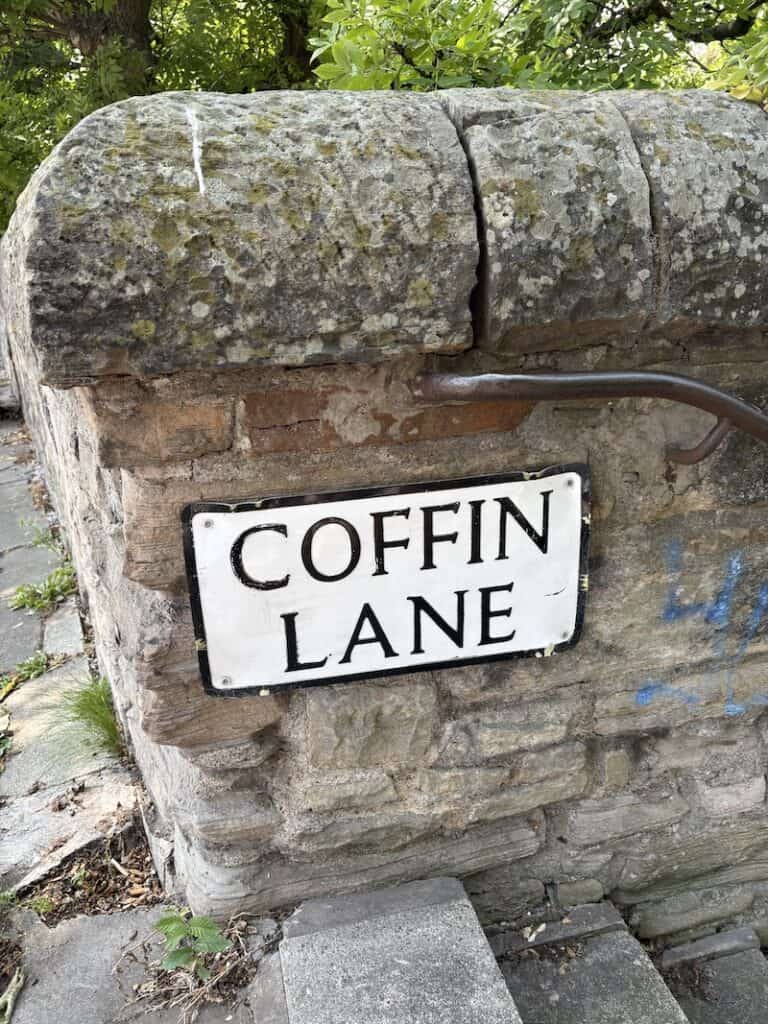
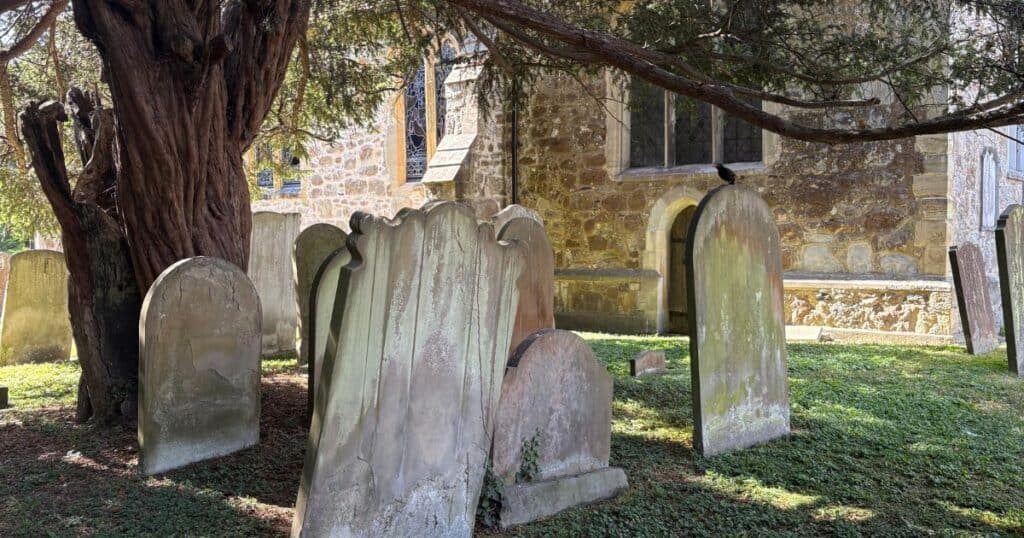
In Edinburgh, after a long day of walking around, I stumbled upon a neglected and overgrown cemetery. I had a cheeky bottle of Thirsty Cross in my backpack so I ducked in there to find a bench to rest my feet and enjoy some shade and cider. Despite being in the middle of the city, it was quiet and peaceful, as cemeteries usually are.
Nostalgia and a Sense of Home
Part of this trip has been a pilgrimage back to Hayes, Kent, where I lived for a year when I was 19. It was the first place I ever lived away from home. I lived with other international travellers, I found my faith, and I discovered an unexpected job I enjoyed, caring for young people with disabilities. For years, I described that year as the best of my life, so I couldn’t wait to walk those familiar streets again.
Except… they weren’t familiar. Not at all.
The town I remembered no longer existed. The places that had meant so much either looked completely different or had disappeared altogether. Even my favourite pub in a nearby village had closed over a decade ago.
I was crestfallen.
I realized maybe I’d been hoping to visit a version of my own life that no longer exists.
And it made me wonder whether nostalgia is less about the place and more about the person.
The Greek roots of the word nostalgia mean the pain of wanting to return home. But perhaps the “home” we’re longing for isn’t geographical at all. Perhaps it’s a season of life. A younger version of ourselves. A time when everything felt possible.
You can’t go back to being 19.
And no town, however beautiful, can preserve time.
And after the disappointment of revisiting places from my past, I found myself sitting quietly in a small village cemetery, feeling something surprisingly familiar: peace.
It struck me that cemeteries never pretend that time hasn’t passed. Their very purpose is to acknowledge it. To remind us: this life happened. This person mattered. And they will be remembered here, right where you left them.
Maybe that’s why they feel so comforting to me.
In our culture, we often mistake honouring for preserving. We think that if something changes, or ends, or disappears, we’ve somehow lost it.
Remembrance isn’t about keeping things the same. It’s about acknowledging that they mattered.
A funeral doesn’t bring someone back. A memorial doesn’t stop time. A gravestone doesn’t preserve a life.
It simply acknowledges that someone lived, loved, and changed the people around them.
Maybe our memories deserve the same kindness.
Returning to Hayes hasn’t diminished what that year gave me. My freedom wasn’t imagined because the streets feel different today. That season shaped me. Its purpose was never to remain exactly as I left it.
Perhaps that’s the invitation nostalgia offers us: to say thank you without demanding that it still exists.
As someone who works in end-of-life care, I spend a lot of time encouraging people to acknowledge death rather than avoid it.
This journey has reminded me that the same is true of life. Some places, some seasons, and some versions of ourselves come to an end.
That doesn’t make them any less meaningful.
The opposite of forgetting isn’t preserving. It’s remembering with gratitude, allowing what has changed to still have a place in our story.

Karla Kerr
Funeral Director and Death Doula
Karla is passionate about fostering end-of-life conversations through education and open dialogue. She believes in confronting difficult topics with compassion, and that by stepping into the space created by grief and loss we tap into our shared humanity.
Subscribe to The Threshold
Join our monthly Threshold newsletter to receive tips, strategies and updates on future local events and workshops.